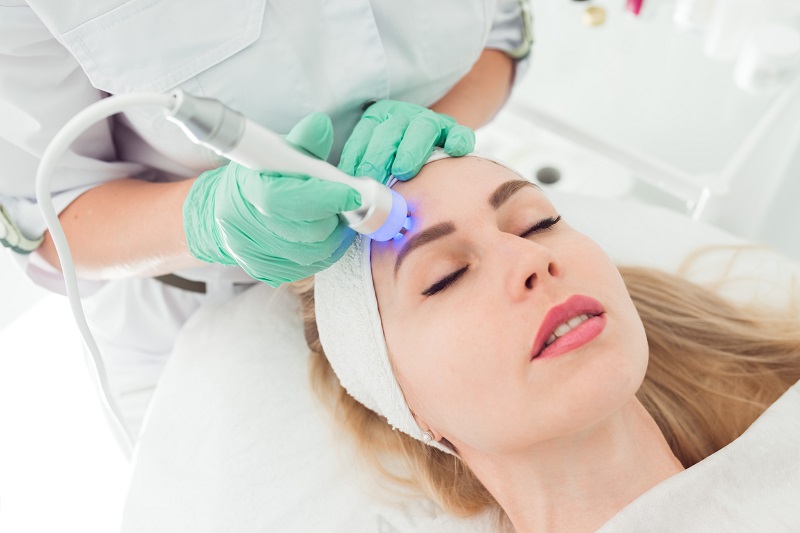
Sun damage and age spots are common skin concerns that can affect the appearance of the skin. Modern dermatological treatments are available to support improvements in these areas. One treatment often used is fractional resurfacing, a procedure that uses laser technology to support skin texture and tone. In this guide, we explore how fractional resurfacing works and the role of technologies such as EndyMed in skin rejuvenation.
Table of Contents
Understanding Sun Damage and Age Spots
Extended exposure to ultraviolet (UV) rays from the sun can lead to changes in the skin, including sun damage and age spots. Sun damage may appear as uneven skin tone, texture changes, fine lines, wrinkles, and reduced skin elasticity. Age spots, also known as liver spots or solar lentigines, are flat, tan to dark brown patches that commonly develop on areas frequently exposed to the sun, such as the face, hands, shoulders, and arms. These spots occur due to an accumulation of melanin, the pigment responsible for skin colour, in localised areas.
Fractional Resurfacing: An Overview
Fractional resurfacing is a minimally invasive procedure that creates controlled micro-injuries in the skin. This process is intended to support the body’s natural healing response and encourage collagen production. The procedure uses laser technology to target specific areas of the skin, delivering energy pulses that initiate a repair process. Fractional resurfacing treats only a portion of the skin at a time, leaving surrounding tissues untreated. This approach may enhance healing and reduce downtime, depending on individual circumstances.
Potential Support from Fractional Resurfacing
Support for Sun Damage
Fractional resurfacing may assist in improving the appearance of sun-damaged areas by supporting the skin’s natural repair processes. It can potentially help even out skin tone, improve texture, and reduce the appearance of fine lines associated with sun exposure.
Support for Age Spots
Fractional resurfacing may assist in reducing the visibility of age spots by targeting areas with increased melanin. This may contribute to a more even skin tone. The number of treatment sessions required can vary depending on the extent and depth of the age spots. Maintaining regular sun protection is important to prevent further darkening or recurrence.
EndyMed: Technology Used in Fractional Resurfacing
EndyMed provides devices used in fractional resurfacing and skin rejuvenation procedures. Its 3DEEP technology combines radiofrequency energy with fractional resurfacing to support controlled heating of the dermis and promote collagen production. Treatment parameters can be adjusted to suit different skin concerns. Devices such as EndyMed’s 3DEEP are designed to allow for precise treatment and potentially minimal downtime, depending on individual circumstances.
Fractional resurfacing may support improvements in skin tone, texture, and overall appearance. Technologies such as EndyMed aim to provide precision during treatments, but individual results can vary. Consulting with a qualified dermatologist or skincare professional is essential to determine whether fractional resurfacing is suitable for your skin and specific concerns.